Cataract surgery
The most commonly performed operation in the world: removal of the clouded lens with ultrasound and replacement with a modern intraocular lens for clear, permanent vision.
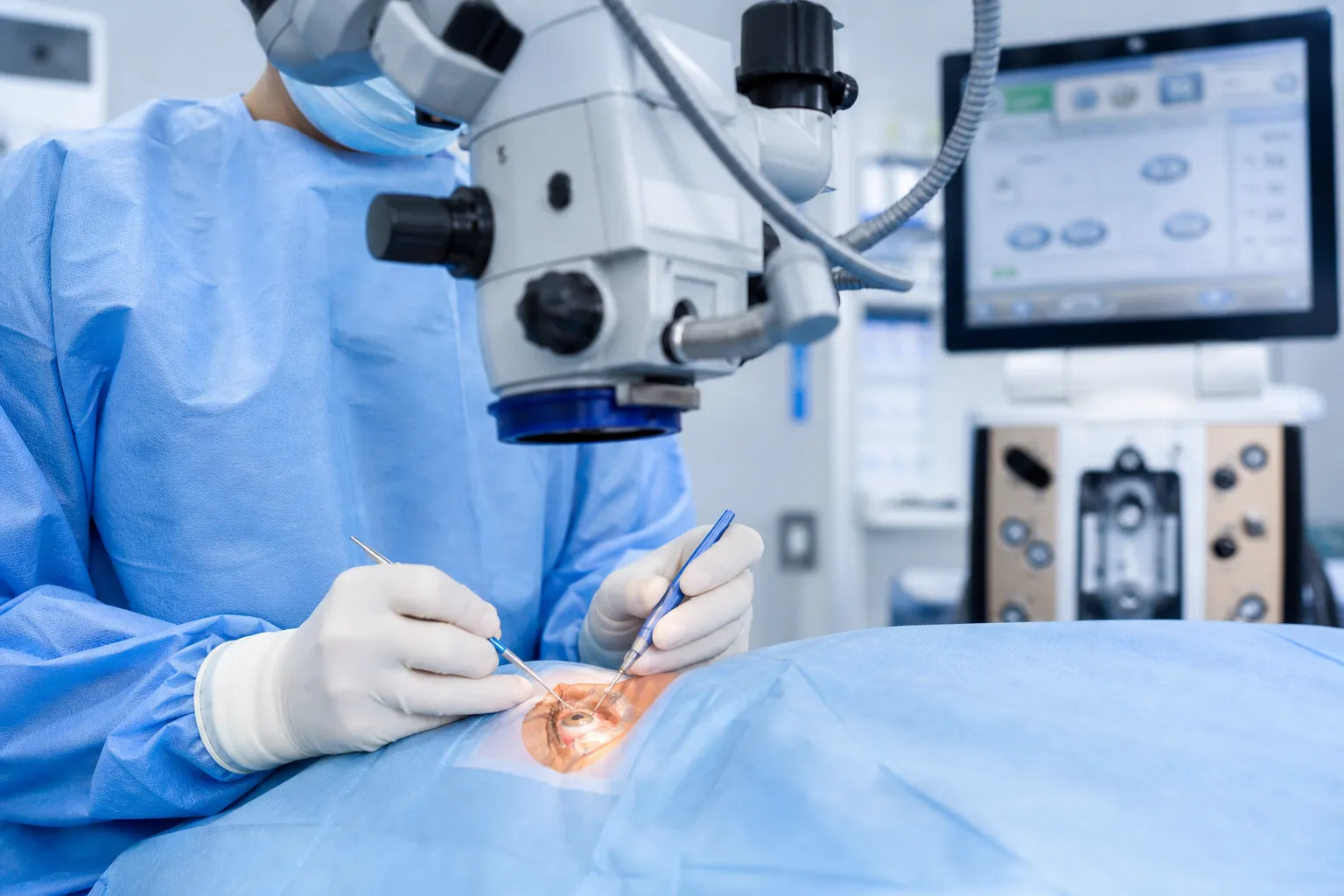
What does this service offer?
Ophthalmology Service
A cataract is the clouding of the eye's natural lens, the normally transparent structure that focuses light. It can develop in one or both eyes, and the clouding may worsen over time, causing increasingly blurred, dim or cloudy vision. The most common cause is aging: the proteins of the lens clump together and form the dark areas. Most people over 60 have a mild cataract, but surgery becomes necessary only when vision is significantly affected. Other risk factors include family history, previous eye surgery, the use of corticosteroids, prolonged exposure to UV rays, obesity, vitamin deficiency, as well as diseases such as diabetes, hypertension and high myopia. Cataract is the leading cause of preventable blindness in the world, and cataract surgery is the most frequently performed eye procedure globally.
Why Choose This Service?
Cataract surgery restores clear vision and prevents further age-related deterioration.
The phacoemulsification technique allows a minimal incision, with no need for sutures and a very fast recovery.
The intraocular lens becomes a permanent part of the eye and requires no maintenance.
Our doctor performs a minimal 2.4 mm incision, reducing the risk of astigmatism and infections while enabling a faster recovery.
Patients with multifocal or accommodative lenses may reduce or completely eliminate the need for glasses after surgery.
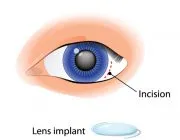
Eye with a cataract
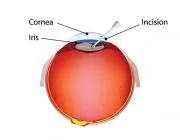
Removal of the diseased lens
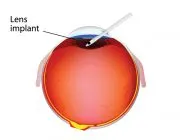
Implantation of the lens
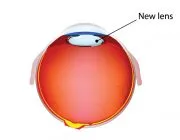
The new lens in position
How Is the Treatment Carried Out?
Before surgery, biometric measurements of the eye are taken (A-scan and keratometry) to select the appropriate intraocular lens (IOL).
The procedure is performed under topical anesthesia with eye drops, without injection.
The surgeon makes a small incision 2.4 mm in the cornea and inserts an instrument that uses high-frequency ultrasound to break up the diseased lens and aspirate it.
A foldable IOL made of plastic, silicone or acrylic is then implanted, allowing light to be focused precisely onto the retina.
The lens is usually placed behind the iris (a posterior chamber lens).
After surgery, a protective shield is placed over the eye.
Vision may initially be blurred for several days to weeks.
Intense exercise, heavy lifting and contact with water or dust should be avoided during the first days.
After 3–4 days you can return to normal activities.
If the lens capsule becomes cloudy months or years after surgery (secondary cataract), it is treated with a laser (posterior capsulotomy), with no recovery time required.
Are You Interested in This Service?
Book a consultation with our specialist team to discuss your treatment options.
Book a Visit Now