Strabismus surgery
Surgical correction of eye alignment to improve binocular vision, visual function and aesthetics in children and adults.
What does this service offer?
Ophthalmology Service
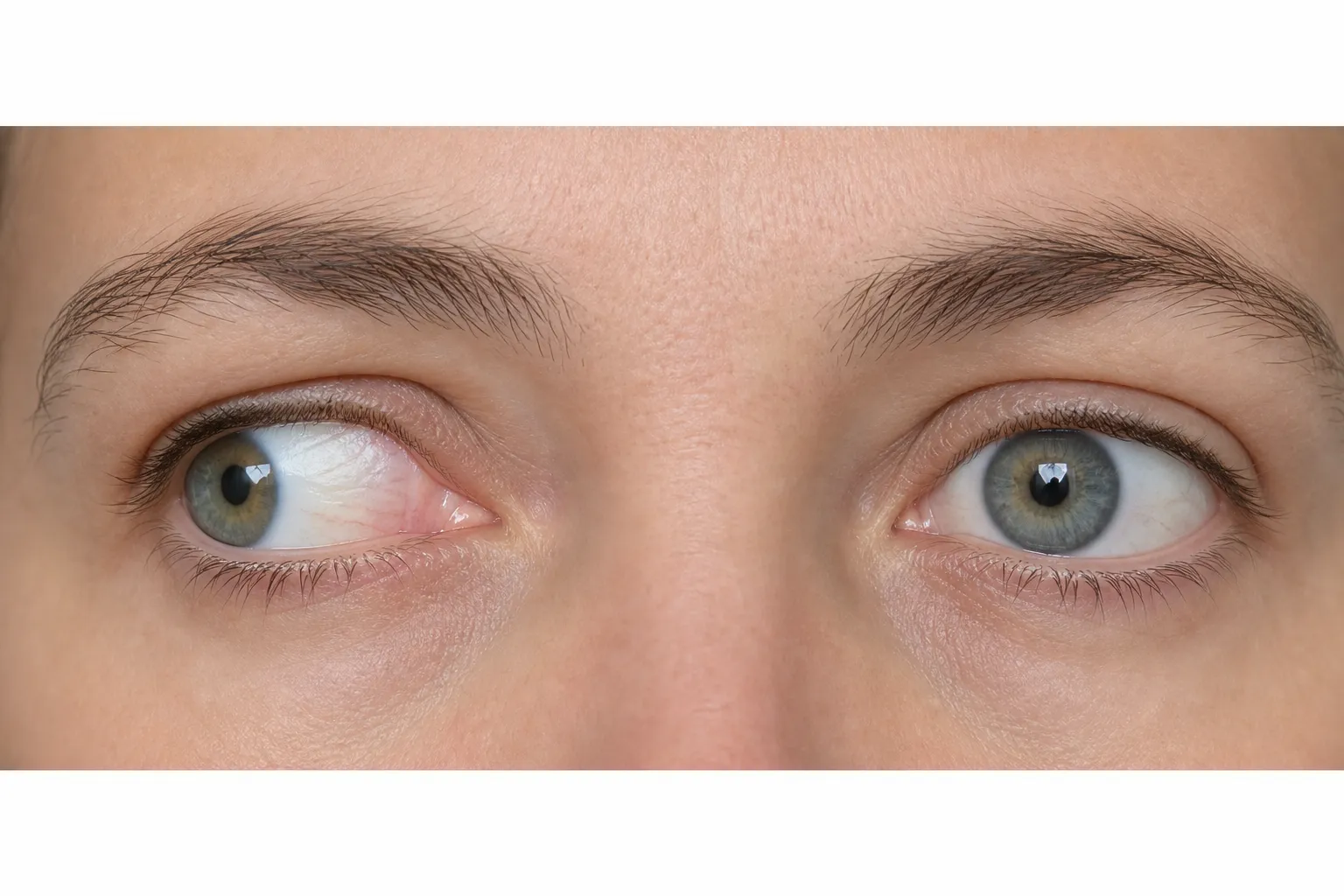
Strabismus, also known as "crossed eyes", is a condition in which the eyes do not work together and are not aligned in all positions of gaze. There are different types of strabismus, classified according to the direction of the deviation and the underlying cause. Strabismus may be manifest or "latent", when the patient is able to partially control the deviation. In children, if the eyes are not aligned, amblyopia ("lazy eye") may develop. In adults, strabismus can cause eye strain or double vision. In most cases there is no serious underlying cause, but a thorough examination is essential to rule out significant conditions.
Why Choose This Service?
Treatment of strabismus enables alignment of the eyes for straight and coordinated vision, supporting the normal development of binocular vision in children and preventing amblyopia.
In adults, correction of strabismus eliminates double vision, reduces eye strain and provides a marked aesthetic improvement, increasing self-confidence and social adjustment.
Early intervention in children ensures the best long-term results.
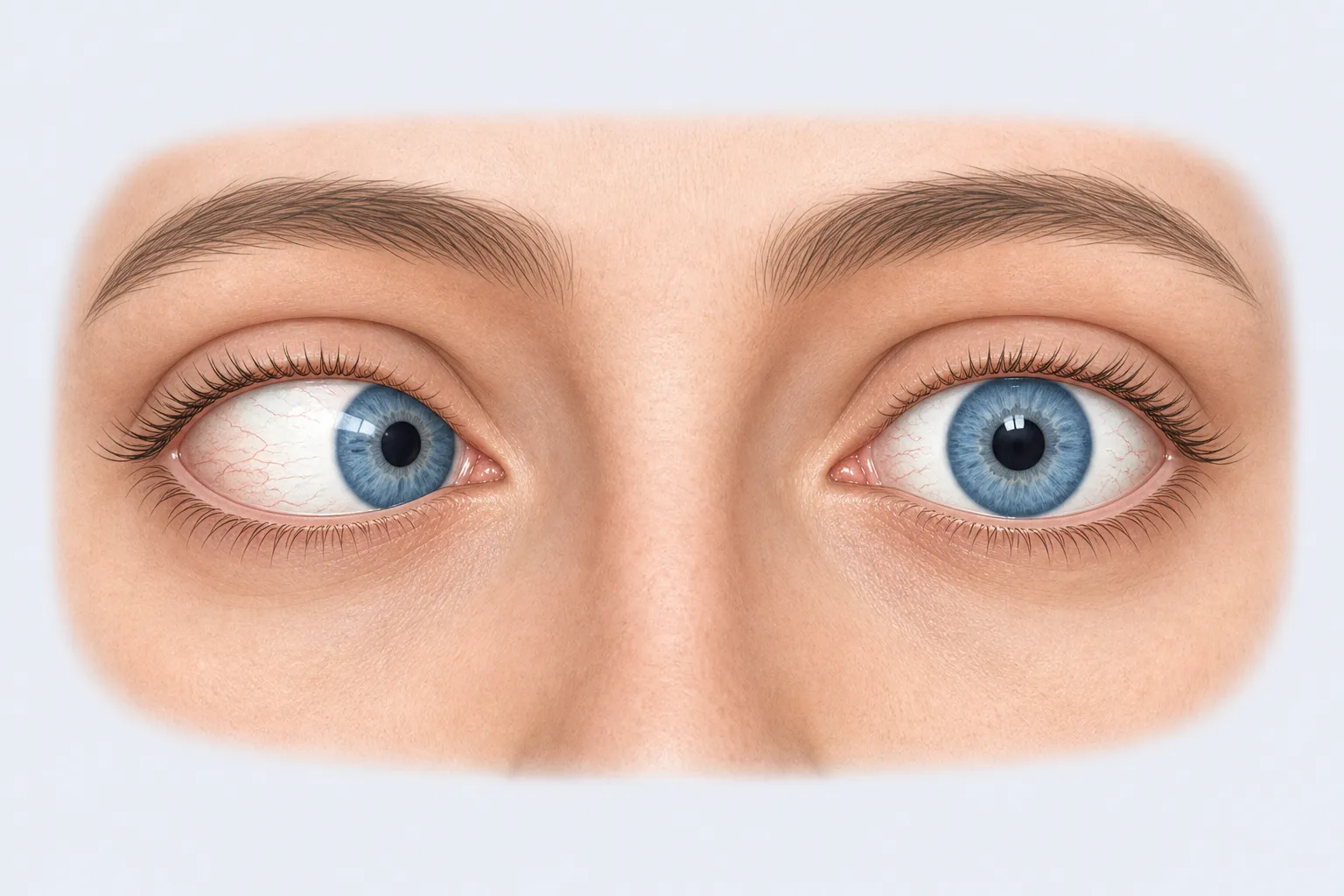
Eye with strabismus (deviation of gaze)
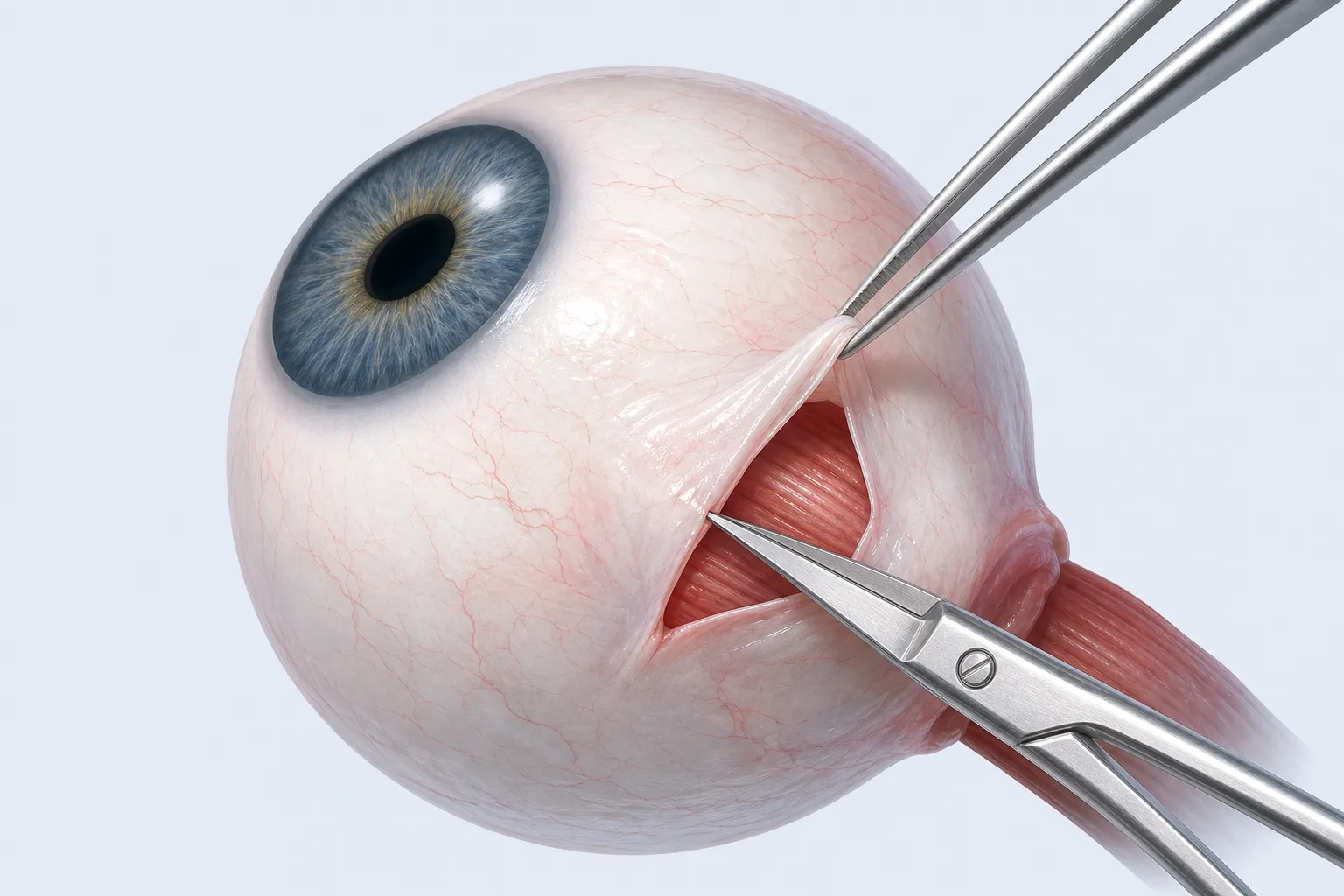
Conjunctival incision to access the muscle
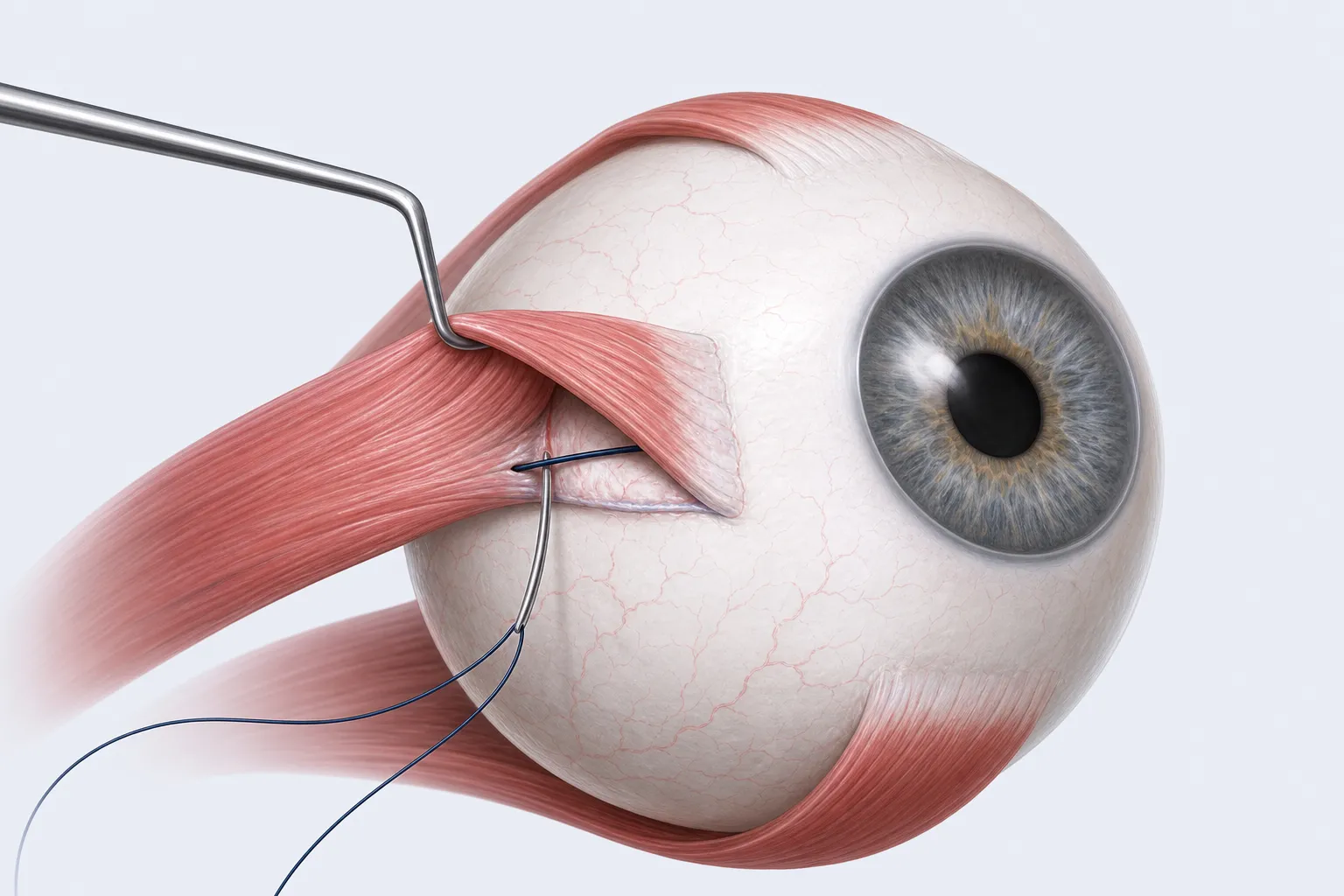
Surgical adjustment of the extraocular muscle
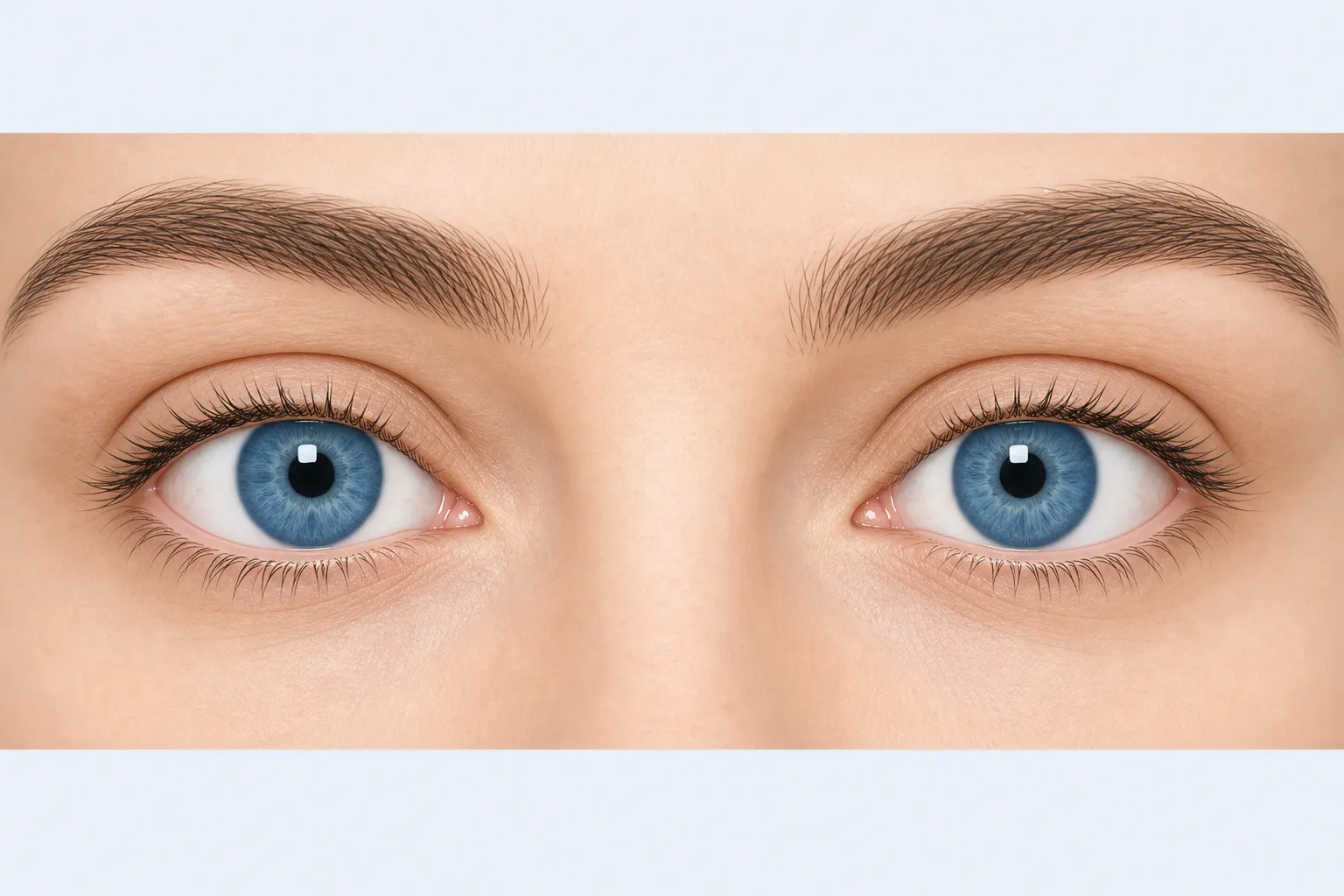
Eyes aligned after surgery
How Is the Treatment Carried Out?
The management of strabismus is an individualized process that depends on the cause, the symptoms and the age of the patient.
In some cases, prescribing corrective glasses or using patches to strengthen the weaker eye is sufficient.
When conservative treatment is not enough, surgery is considered to reposition the muscles and align the eyes.
Before any surgical decision, all alternative options are explored and it is assessed whether a period of observation is needed for possible changes or improvements in the condition.
In children, surgery is performed under general anesthesia, while in adults local anesthesia is used.
Are You Interested in This Service?
Book a consultation with our specialist team to discuss your treatment options.
Book a Visit Now