Ocular prostheses
Artificial eyes and scleral cover-shell prostheses — personalized aesthetic solutions after surgical removal of the eye or for non-functional eyes, with an appearance very close to a natural eye.
What does this service offer?
Ophthalmology Service
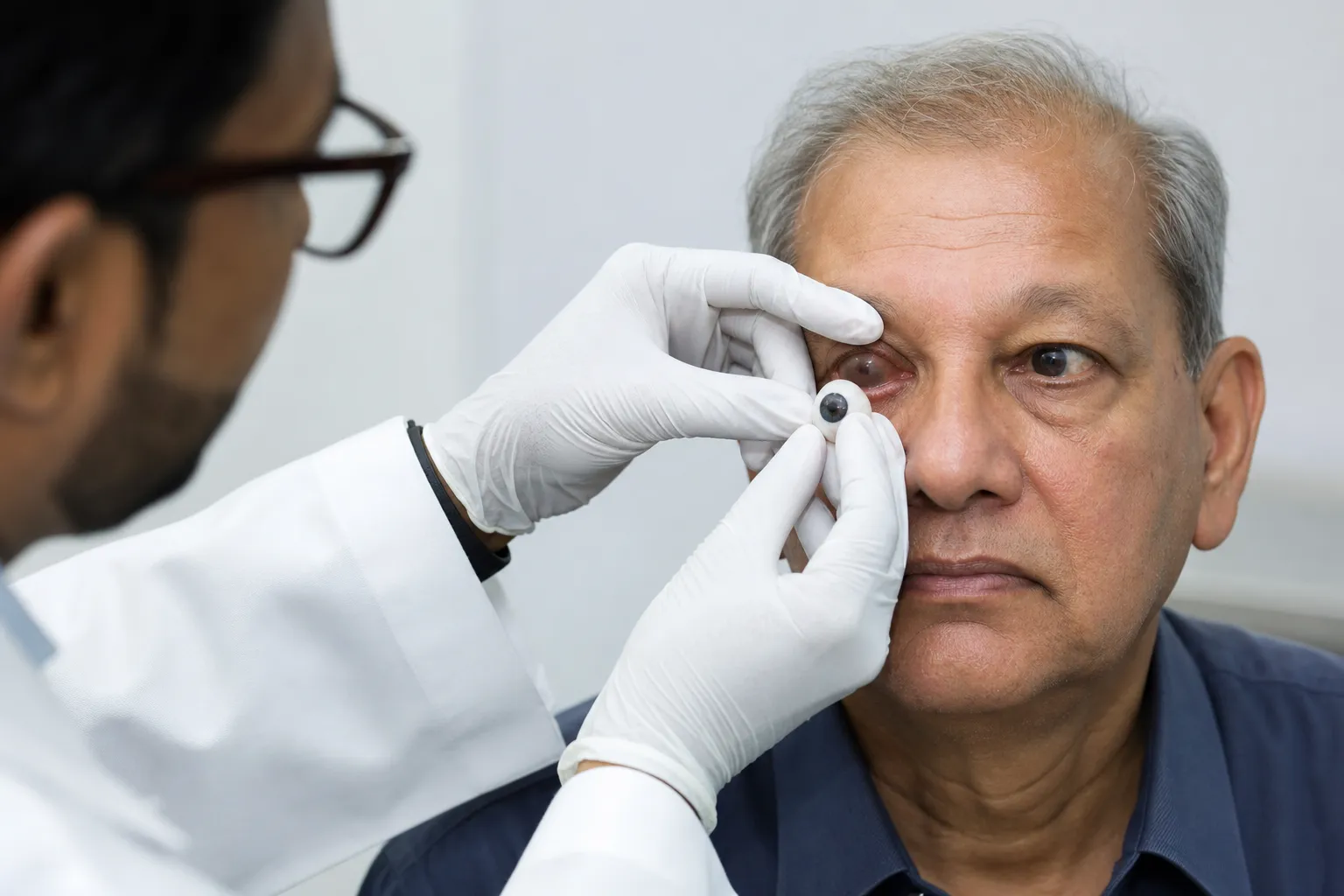
An ocular prosthesis, also known as an artificial eye, is a plastic prosthesis used when the eye is removed surgically. During the surgery, an implant sphere is placed in the socket to fill the space that the eye occupied. The ocular prosthesis is placed over the implant and occupies the space between the eyelids and the conjunctiva covering the sphere. The prosthesis is usually fitted 4–6 weeks after surgery, so that the tissues have time to heal. Before the prosthesis is fitted, the upper eyelid may appear droopy. The prosthesis helps support the eyelids and maintain their normal opening and closing. A scleral cover-shell prosthesis is a thin plastic prosthesis used when a malformed eye, due to a congenital defect, or rendered non-functional as a result of disease or injury, is left in place. The prosthesis is shaped to be positioned between the blind eye and the eyelids, over the malformed eye. These prostheses have a better cosmetic impact, closely resembling the appearance of the healthy eye.
Why Choose This Service?
An ocular prosthesis restores the natural appearance of the face after loss of the eye, while also helping to maintain the normal structure of the eyelids and their movement.
The scleral cover-shell prosthesis offers a superior cosmetic impact, as it is placed over the malformed eye without the need to remove it.
Both types of prosthesis are designed individually to precisely match the color, shape and size of the natural eye, providing an aesthetic result that is indistinguishable from a healthy eye.
Modern hypoallergenic materials ensure high comfort and long-term durability.
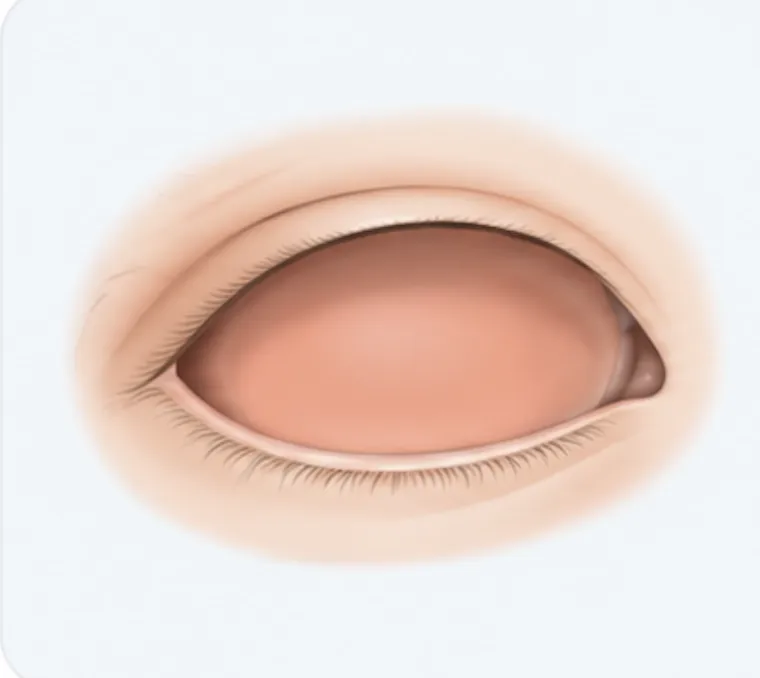
Socket without the globe (after enucleation)
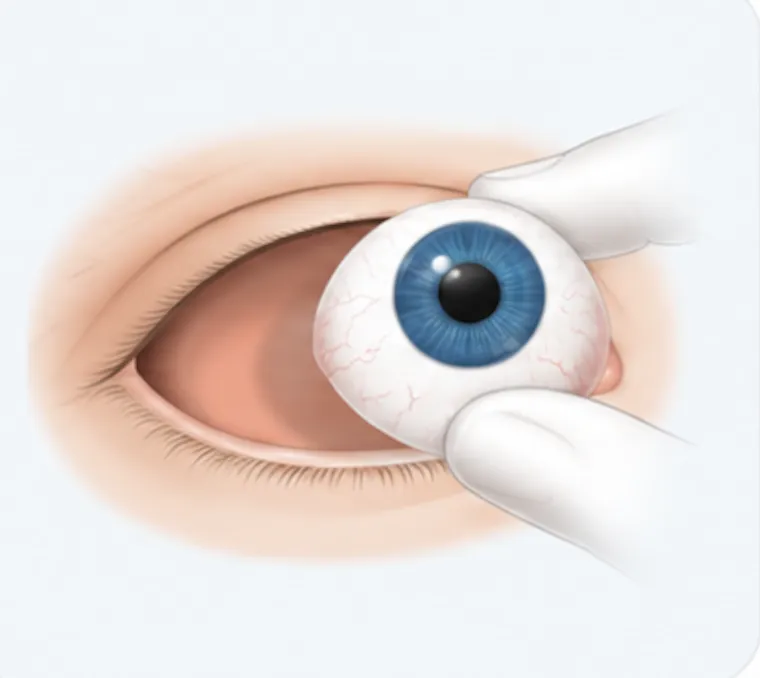
Fitting of the ocular prosthesis
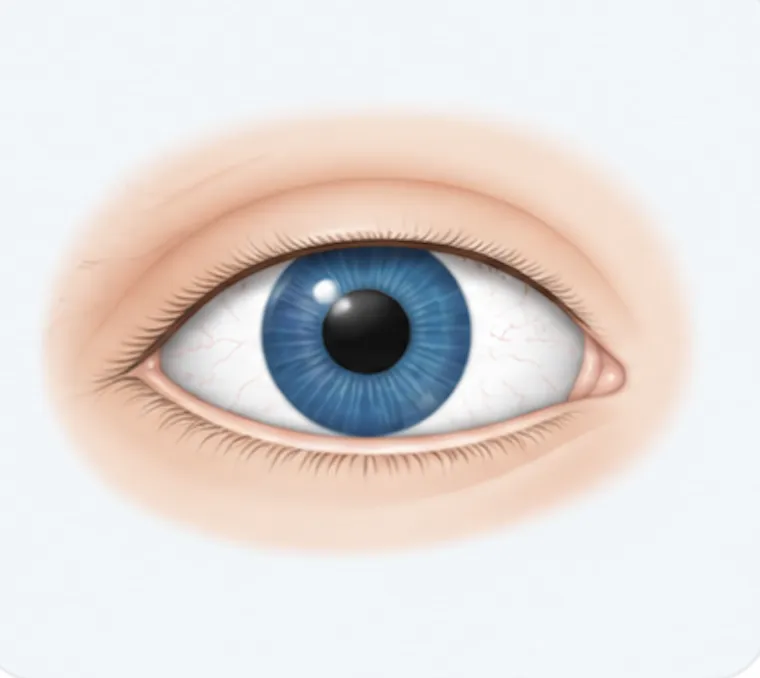
The prosthesis in position
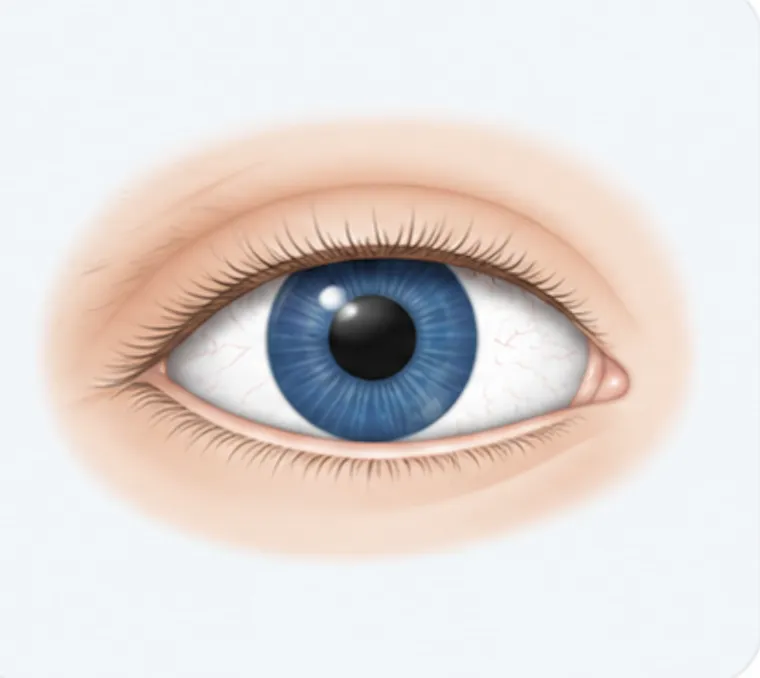
A natural and functional appearance
How Is the Treatment Carried Out?
For the standard ocular prosthesis, fitting takes place 4–6 weeks after the surgical procedure, once the tissues have healed sufficiently.
The process begins with precise measurements of the orbital cavity and the design of the individual prosthesis according to the shape and color of the natural eye.
After the fitting and final adjustments, the patient receives detailed instructions for daily care and maintenance.
For the scleral cover-shell prosthesis, the procedure does not require removal of the malformed eye.
Measurements of the existing eye are taken and a thin plastic prosthesis is shaped to be placed over it.
This technique is minimally invasive and enables very good cosmetic results.
Both types of prosthesis require periodic check-up visits for maintenance and adjustments.
Are You Interested in This Service?
Book a consultation with our specialist team to discuss your treatment options.
Book a Visit Now